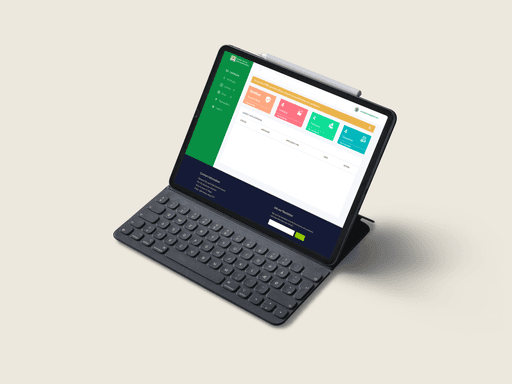
Nigeria Film & Video Censor Board
My Role
As the lead designer for this project, I collaborated with a team of 5 to identify key pain points my responsibilities include working closely with stakeholders to synthesise user requirements, communicating design recommendations, prioritising outcomes, leading the end-to-end design process, and managing expectations across engineering teams.
Research Methods
Competitor analysis, data analysis, micro survey, user interview, usability testing.
Team Structure
5 UX Designers/Researchers (including me)
Platform
Web,Mobile
Duration
2 Months
Responsibilities
UX design, UI Design, Research, User Testing
Overview
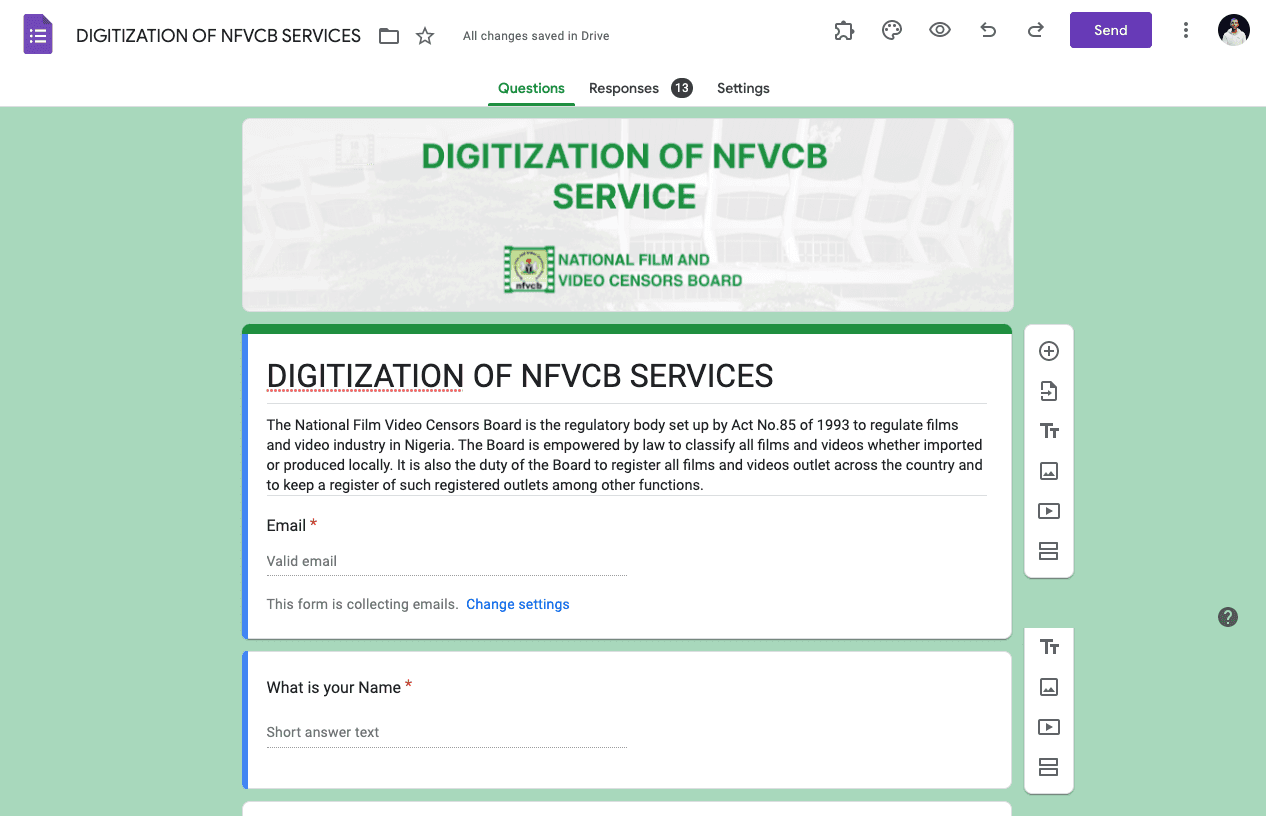
Have you ever visited a government agency or public office for registration and received instructions to prepare photocopies of a form, submit them, and return in a few days for a response? However, when you returned the following week, they informed you that there were some discrepancies and you needed to rectify them before returning? Yes! I know how frustrating and annoying that could be. This is one of the problem NFVCB is trying to eradicate in their current system.
The National Film and Video Censors Board (NFVCB) in Nigeria faced a significant challenge in its paper-based film license application process. Filmmakers were frustrated by long waiting times, complex forms, and a lack of transparency, which ultimately discouraged participation in the growing Nigerian film industry.
Objectives
The digitization of NFVCB services means users can effectively apply for their applications from any part of the world and can get it in a matter of hours. Staffs can also check and approve applications, communicate with applicants, and approve without any delay.

Streamline Processes
Digitize the NFVCB licensing and film classification services to streamline the process for filmmakers.

Decrease Processing Time
Decrease efficiency and reduce application processing time to expedite the licensing process.

Improved Communication
Improve transparency and communication by implementing automated processes and online tracking.

Investment Opportunities
Encourage more investment and participation in the Nigerian Film Industry by simplifying the licensing process.
Strategic Values
The digitization initiative was strategically designed to address existing inefficiencies, enhance user experience, and foster growth in Nigeria's film industry through a comprehensive digital transformation. By reducing the average processing time for license applications from two weeks to just a few hours, the project freed up filmmakers' time and resources for creative work. This efficiency gain was expected to lead to a 20% increase in applications received in the first quarter, further propelling the growth of the industry.

Turnaround Time
Achieved an impressive 99.7% reduction in processing time, decreasing the average turnaround from two weeks to just 2-3 hours per application.

Applications
E-Portal facilitated a remarkable 45% increase in the number of processed applications. This reflects a growing confidence in the efficiency of the new system,

Revenue Growth
The E-Portal has proven to be a lucrative venture, generating over N100,000,000 in revenue through online application fees in its first year.
The Challenges
The National Film and Video Censors Board (NFVCB) faces significant challenges due to its reliance on a manual, paper-based film license application process. This outdated system has resulted in a frustrating and time-consuming experience for filmmakers, ultimately hindering the growth of the Nigerian film industry.
Length Processing Time
The average processing time for license applications can extend from two weeks to several months, creating delays that discourage filmmakers from pursuing projects and stifling creativity.
Complex Application Processing
The application forms are often lengthy and complicated, leading to confusion among users. This complexity increases the likelihood of errors and omissions, which further prolongs the approval process.
Lack of Transperency
Filmmakers experience a significant lack of transparency in the application process, with limited visibility into the status of their submissions. This absence of real-time updates leads to frustration and uncertainty.
Inefficient Resource Management
NFVCB staff are burdened with the tedious task of manually reviewing applications for discrepancies. This inefficiency not only affects staff morale but also contributes to delays in processing applications, making it difficult for the agency to meet its annual quotas.
Lengthy Processing Time
The cumbersome licensing process ultimately discourages filmmakers from engaging with the NFVCB, which hinders the overall growth and competitiveness of the Nigerian film industry. The lack of a streamlined process creates barriers to entry for both local and international filmmakers.
The Plans
The project aimed to transform the NFVCB licensing and film classification services by digitizing the existing paper-based system. This comprehensive plan focuses on streamlining processes for filmmakers, increasing efficiency, and encouraging greater participation in the Nigerian film industry.

Assessment of Current Processes

User Research and Persona Development

Designing the Online Platform

Pilot Testing and Feedback

Launch and Continuous Improvement
Research & Discovery
To create a comprehensive and lasting solution for the NFVCB digitization project, the team conducted in-depth research and discovery activities.

User Interviews
We conducted an in-depth interviews with filmmakers, industry stakeholders, and NFVCB officials to gain a deeper understanding of their pain points, preferences, and challenges faced during the licensing process.

Comparative Analysis
We conducted a thorough analysis of similar platforms used by other institutions and government portals to identify best practices, common features, and areas for improvement.

User Surveys
In addition to qualitative interviews, the team distributed user surveys to gather quantitative data on user preferences, satisfaction levels, and pain points. The surveys reached a broader audience and provided statistical insights to complement the qualitative findings.

Synthesizing Findings
The research findings were synthesized to identify key themes, patterns, and opportunities for improvement. This process informed the design direction and helped the team prioritize features and functionalities that would have the greatest impact on user experience and satisfaction.

User
Individual | Producer | Distributor | Exhibitor | Personal Assistant
Create Profile and upload all necessary documents.
Apply for distributor, Exhibitor, Exhibition Premises and other type of licenses.
Apply for Film Censorship & Rating
Film title search
Long processing and approval time
Having to submit same required documents every time.
Lack of communication from staff.
Time consuming paper based application
Complexity of the application form

Staff
Distribution | Exhibition | Censorship Department | Premises Visitation | Accountant
Examine applications for discrepancies and if need be return to clients for revision.
Approve application and forward to director for final approval.
Visit exhibition premises and submit premises visitation report.
Rate film and classify accordingly.
Access all transaction history
Checking each paper application can be very tedious due to varieties of hand writings.
Downtime on verification partner's website e.g NIBSS
Inability to reach clients
Clients not following requirement e.g Format & Size of Submitted Videos etc.
Forms not properly filled out.

Directors
Distribution Dept Director| Exhibition Dept. Director | Censorship Director
Examine applications for discrepancies or any irregularities, read final comment from staff and give final approval.
Sign original copies of license and upload if requested by client or send via dispatch.
Approve film rating and classification.
Checking each paper application can be very tedious due to varieties of hand writings.
Staff not properly verifying clients document.
Lack of proper documentation for follow up or check up.
Clients not following requirement e.g Format & Size of Submitted Videos etc.
Forms not properly filled out.

Admin
Site Manager | Admin | Liberian | Accountant
Add new staff and assign to corresponding department.
Audit and download transaction history.
Maintain contents and videos on the portal.
Update license prices.
Update trainings for new staff on the portal.
Pain Points
Waiting for clients to present payment receipts to be confirmed against bank statements of account.
Having to keep two records on a spreadsheet and compare both against every unit's record of transactions and statements from the bank.
Lack of a proper channel for communicating pricing updates to clients.
Having to receive videos by flash drive from clients, exposing the organization to the risk of being hacked.
Insights & Recommendations
Based on the research conducted, several critical insights emerged that highlight the challenges faced by users and staff in the licensing process.
Insight 1
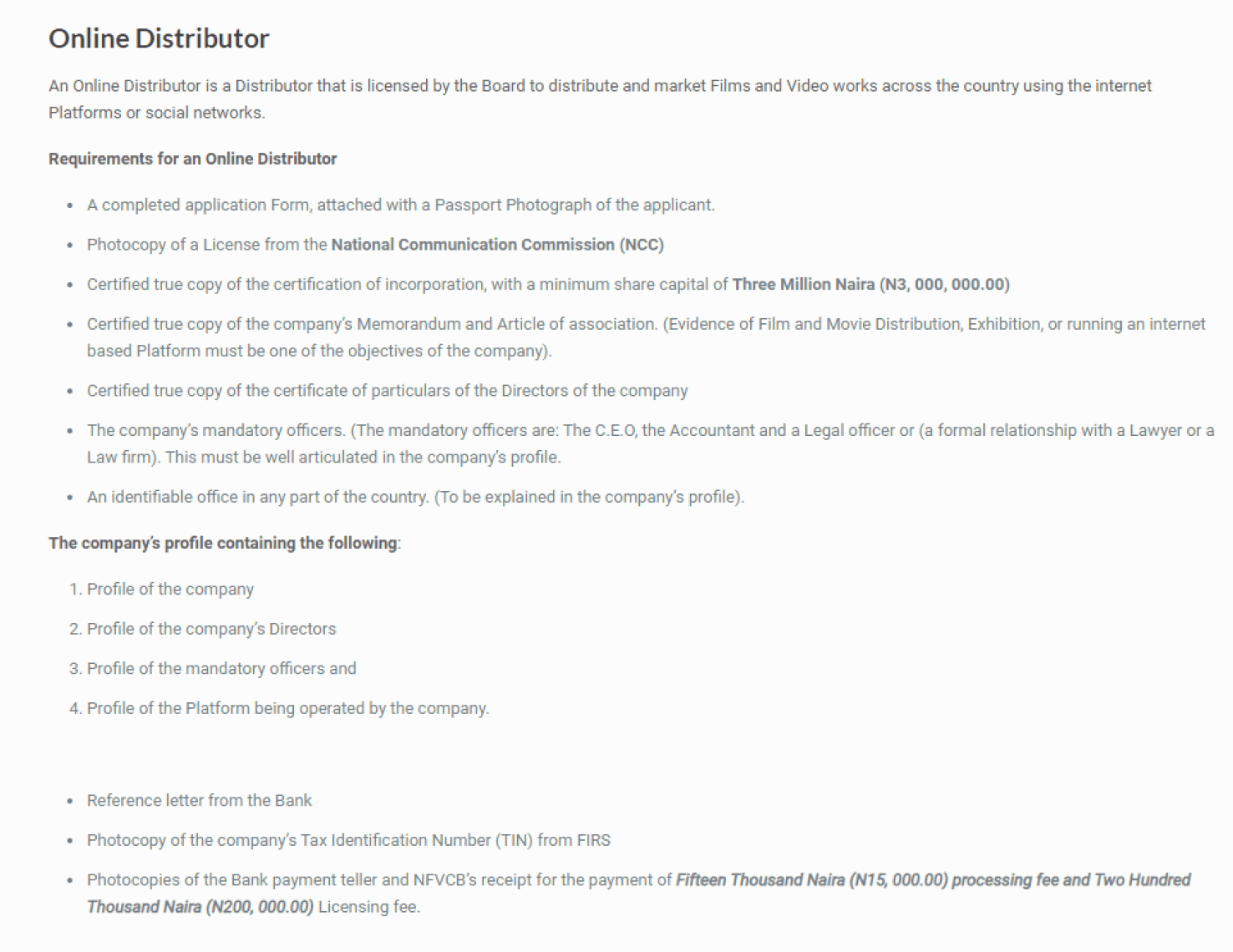
Users face a frustrating and time-consuming paper-based application process, with lengthy and repetitive forms, lengthy processing times, confusion over requirements, and difficulty navigating the complex forms, especially without connections.
Recommendation 1
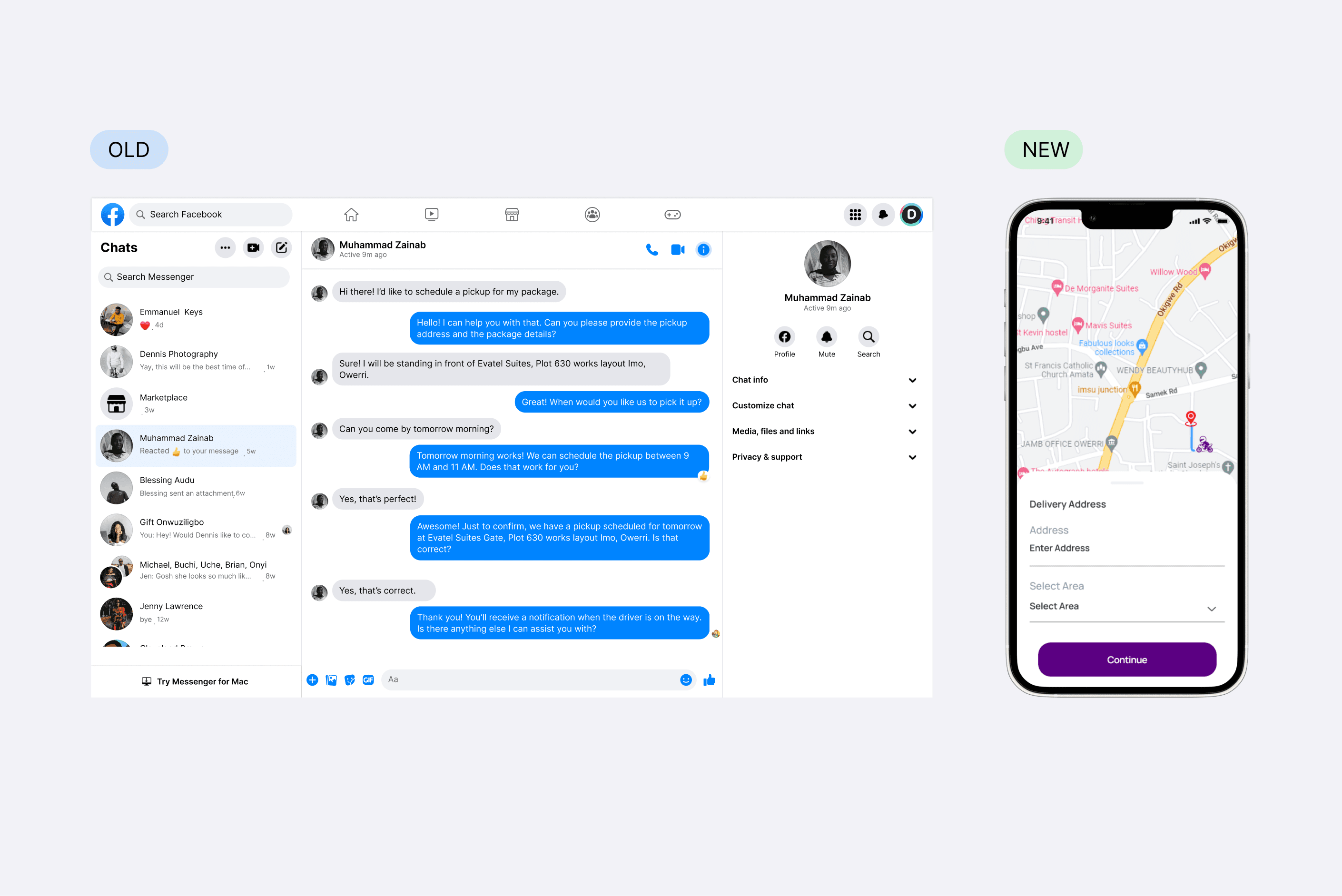
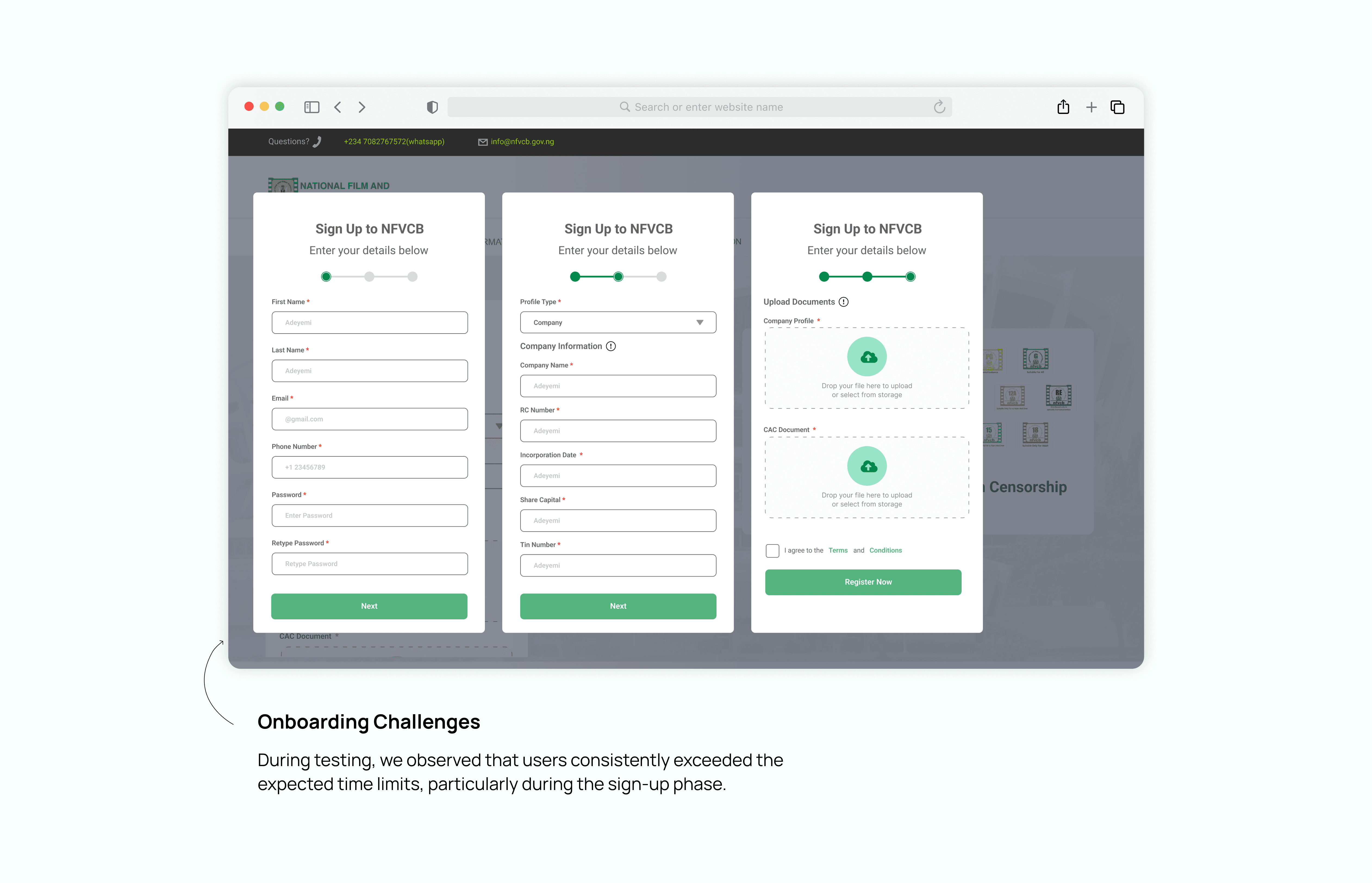
Following the initial iteration of the login/sign-up page, user testing was conducted to validate our metrics regarding the maximum time allocated for the sign-up process. During testing, we observed that users consistently exceeded the expected time limits, particularly during the sign-up phase.
Participants raised critical questions, such as, "What if I don't have all my documents ready? Can I save my progress?"
In response to these insights, we reviewed the sign-up process and decided to streamline it by deferring the more complex tasks, such as document uploads, until after users have successfully completed their sign-up. This adjustment aims to enhance the onboarding experience, ensuring it is both efficient and user-friendly, ultimately aligning with our goal of creating tailored solutions for our users.
Recommendation 2
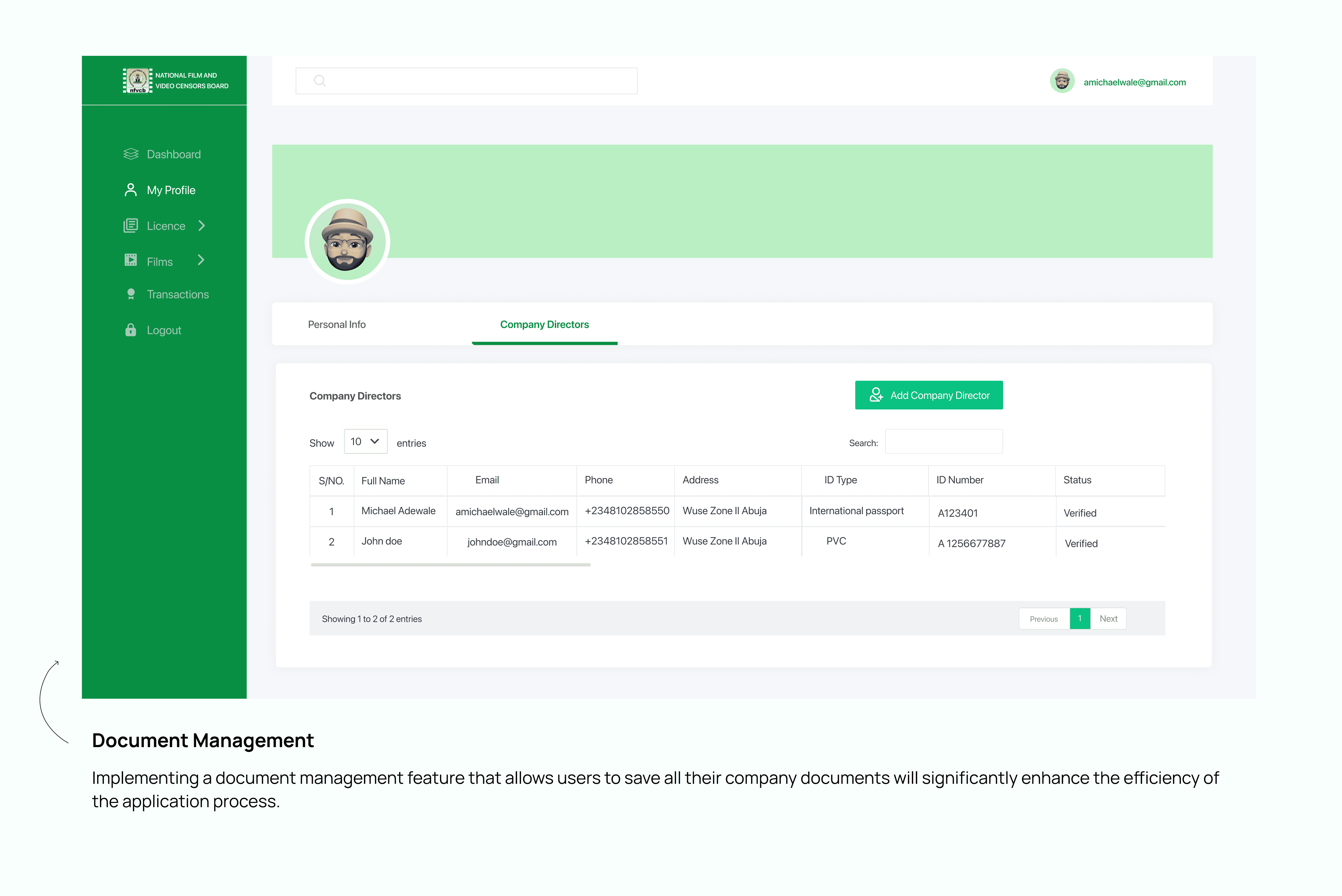
Developing a dedicated tab within the NFVCB E-Portal where users can upload and manage their documents. This will not only simplify the application process but also encourage users to engage more with the portal, as they will have quick access to their necessary documents without the hassle of repeated uploads.
Insight 3
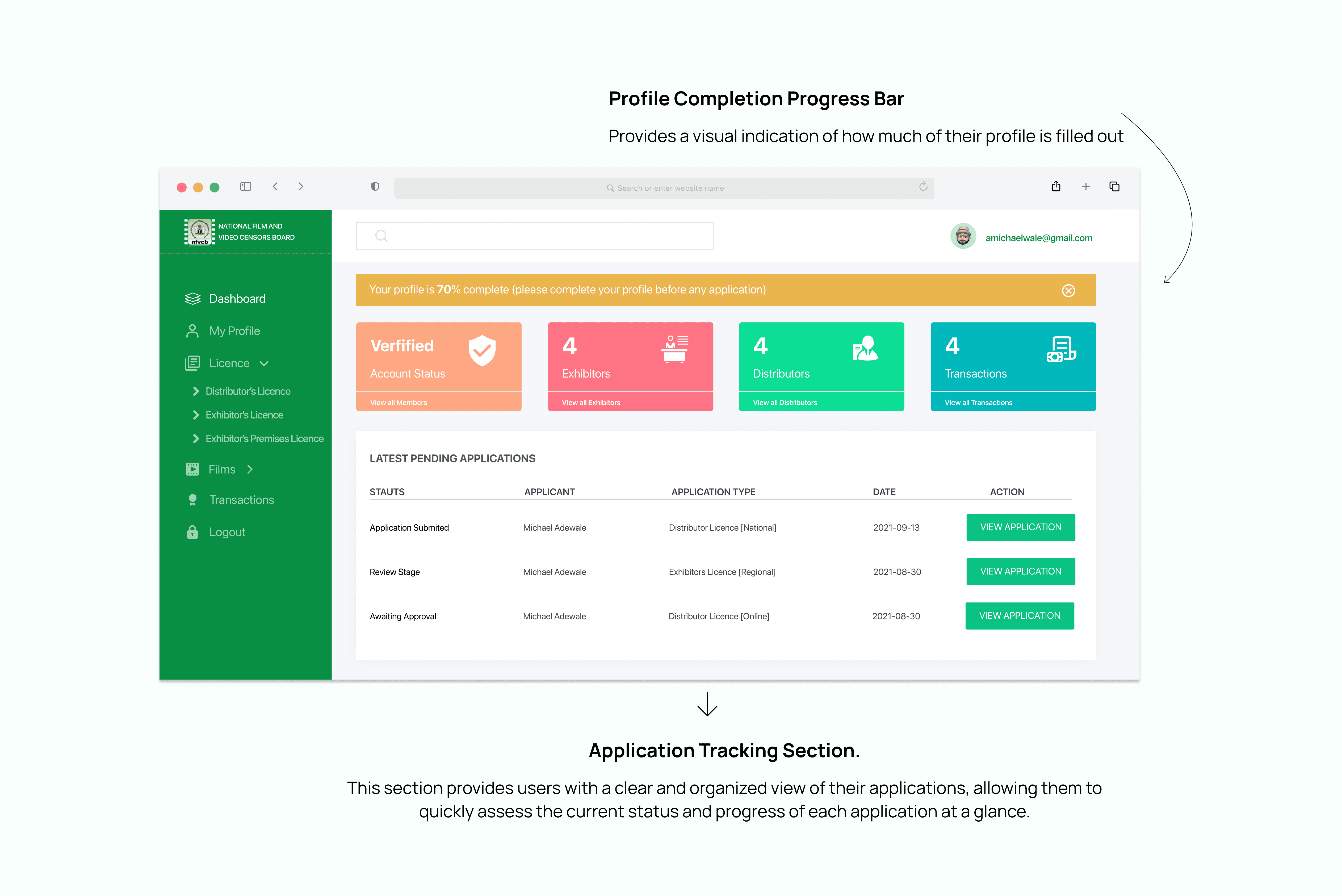
It is crucial for all stakeholders to have an overview of all their applications and the stages they are currently in. By providing immediate visibility into pending applications and any outstanding requests upon login, we can significantly reduce confusion and frustration. This transparency empowers users to take action on their applications and builds trust in the system, encouraging regular use of the portal.
Recommendation 3
A user-friendly dashboard that displays a comprehensive overview of all pending applications and their current stages for both users and staff. This dashboard will also highlight any pending information that users need to address in their profiles. By integrating this feature, we can create a more engaging and efficient user experience, ultimately leading to improved satisfaction and increased participation in the licensing process.
Insights 4
Bureaucracy remains a significant challenge in the Nigerian public sector, particularly within the NFVCB. The reliance on traditional processes can lead to delays in application processing, as users may experience prolonged waiting times and lack of clarity regarding their submissions. This inefficiency can frustrate both users and staff, hindering overall productivity and user satisfaction.
Recommendation 4
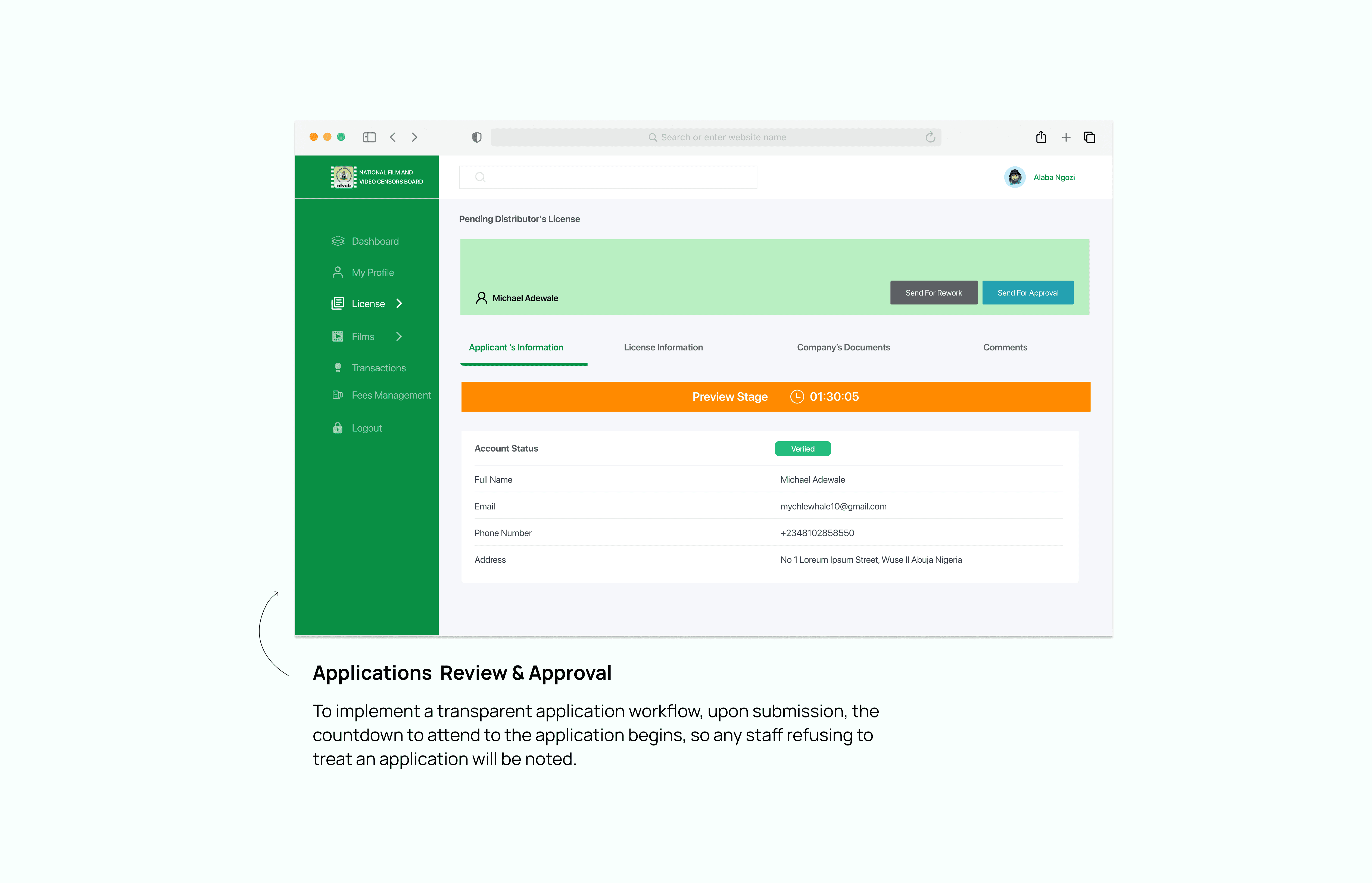
To mitigate bureaucratic delays, develop a transparent application workflow within the NFVCB E-Portal. Once a user submits their application, it should be automatically routed to the head of each relevant department. This head will then assign the application to the most suitable staff member based on expertise and availability. Incorporating a countdown timer will provide staff with an estimated processing time, ensuring accountability and encouraging timely responses. This structured approach will streamline the process, reduce delays, and enhance communication between users and staff.
Insight 5
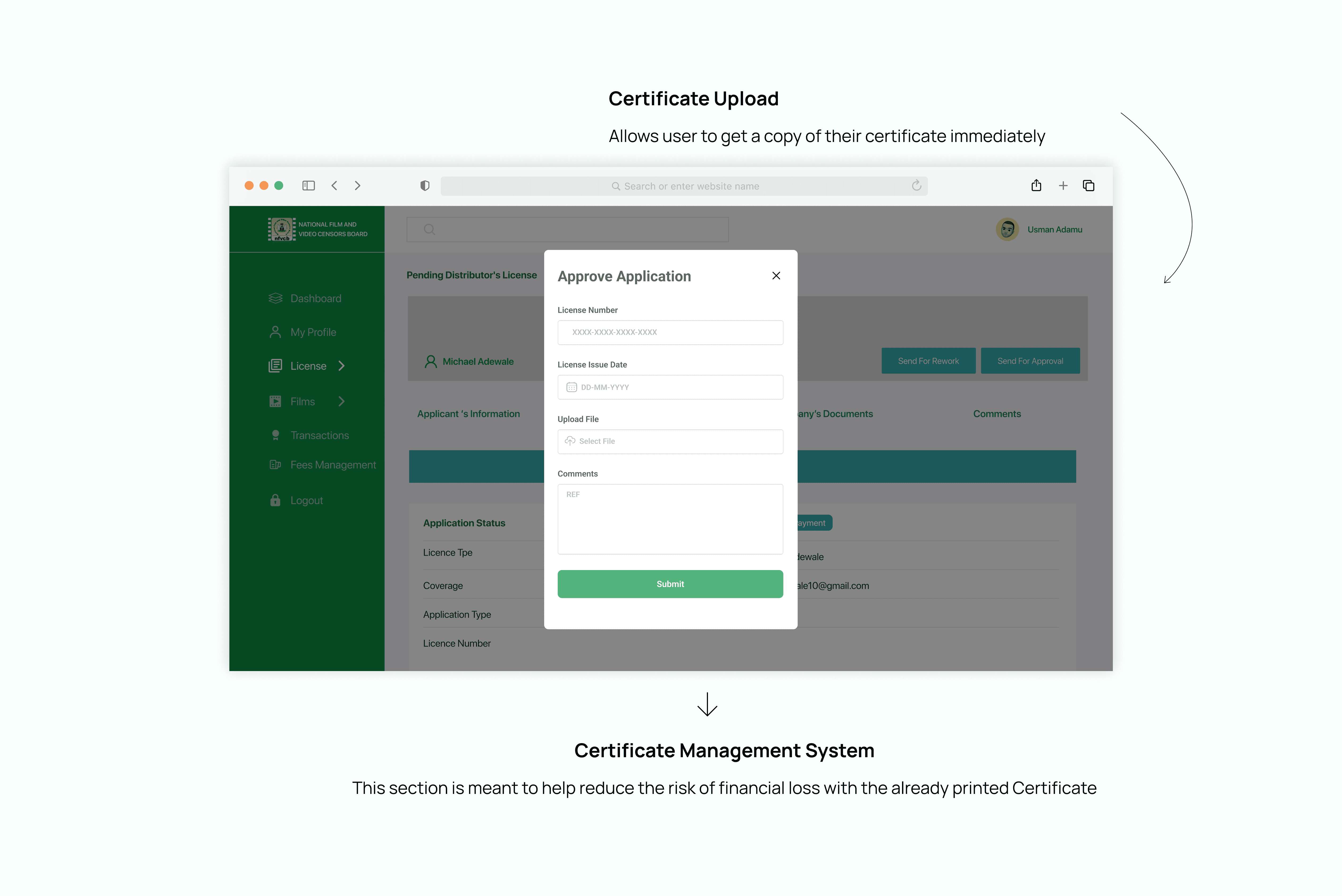
The current process for managing certificate approvals may lead to inefficiencies and financial losses for the institution. While the addition of a field for directors to enter the chosen certificate number aims to streamline the process, there is still a risk of errors in certificate selection or miscommunication regarding certificate numbers. This could result in wastage of already printed certificates and potential delays in application processing.
Recommendation 5
To enhance efficiency and reduce the risk of financial loss, develop an automated certificate management system within the NFVCB E-Portal. This system should allow staff to pre-enter all available certificate numbers in the backend, ensuring that directors can easily select from a verified list when approving applications. Additionally, implement validation checks to confirm that the selected certificate number matches the application type, minimizing errors. This approach will not only streamline the approval process but also ensure continuity with existing printed certificates, ultimately reducing waste and enhancing operational efficiency.
Learnings
Leading the NFVCB E-Portal project was a transformative experience for me, both personally and professionally. It challenged me to grow as a leader and taught me valuable lessons that I will carry forward in my career.
One of the most eye-opening aspects of this project was the effort required to engage stakeholders effectively. Coordinating interviews and user testing sessions was often tedious, requiring travel to various locations just to connect with individuals. This experience reinforced for me the importance of proactive communication and planning. I learned that investing time in building relationships with stakeholders is crucial for gathering insights that drive project success.
Encountering resistance from staff members who were accustomed to traditional methods was a significant challenge. I felt their apprehension firsthand as we introduced new technology. To address this, we organized training sessions and provided resources to ease the transition. This taught me the importance of empathy and patience when facilitating change. I realized that supporting team members through their concerns not only fosters acceptance but also strengthens team cohesion.
As we designed the E-Portal, I grappled with the balance between introducing innovative features and ensuring they met user needs. While it was tempting to implement cutting-edge solutions, I learned that simplicity often leads to greater user satisfaction. By focusing on what truly mattered to users, we were able to create a platform that was not only functional but also intuitive.
Actively seeking feedback allowed us to make necessary adjustments throughout the project, reinforcing that collaboration is key to achieving successful outcomes.
Next Steps
In the future, we plan to enhance the accountant's dashboard by providing them with proper data visualization tools.
Building on the success of the trailer submission feature for movies, we have conceived the idea of creating a local IMDb-style website for Nollywood. This platform will allow the uploading of movie trailers along with actor and actress biographical data, information about distribution and exhibition companies, and an avenue for artists to connect directly with potential sponsors. Additionally, producers and directors will have the option to rent equipment for their movie productions.
Copyright 2024 by Adewale Michael